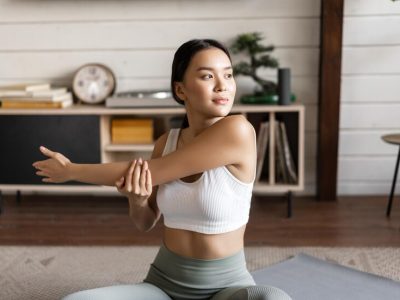
Yoga

Yoga: An Ancient Practice for a Modern Life

Introduction: Rediscovering Balance in a Chaotic World

In an age when screens dominate our attention and stress creeps into every corner of life, the ancient practice of yoga stands as a timeless refuge. Far from being just a trend or a fitness fad, yoga is an intricate discipline that weaves physical postures, breath control, and mindful awareness into a holistic philosophy for living.

Originating thousands of years ago in India, yoga was designed as a path to unify the mind, body, and spirit. Today, its appeal spans continents and cultures, offering solace and strength to millions who seek balance amid the noise of modern existence.

The True Meaning of Yoga: Union and Awareness

The word yoga comes from the Sanskrit root yuj, meaning to yoke or to unite. At its essence, yoga is about connection — connecting the breath with movement, the body with the mind, and the individual with a greater sense of awareness.

Unlike many forms of exercise, yoga is not solely concerned with burning calories or building muscle. Instead, it invites practitioners to cultivate presence, compassion, and inner calm. In this sense, each practice, no matter how brief, becomes an act of self-care and self-inquiry.

The Many Branches of Yoga

Yoga is far from monolithic. Over centuries, different schools and styles have evolved, each offering distinct approaches and benefits.

Major Traditions Include:

  • Hatha Yoga: Often considered the foundation, focusing on physical postures (asanas) and breath control (pranayama).

  • Vinyasa Yoga: A dynamic, flowing style where poses are linked together seamlessly with breath.

  • Ashtanga Yoga: A rigorous, structured sequence known for building strength and discipline.

  • Iyengar Yoga: Emphasizes precise alignment and the use of props like blocks and straps.

  • Kundalini Yoga: Combines postures, breath, chanting, and meditation to awaken spiritual energy.

  • Restorative and Yin Yoga: Gentle, meditative styles that focus on deep relaxation and holding poses for longer periods.

Whether one seeks sweat and intensity or stillness and surrender, there is a yoga style suited to every temperament and physical condition.

The Physical Benefits: Strength, Flexibility, and Beyond

Yoga’s visible effects on the body are both profound and accessible. With consistent practice, even simple postures can cultivate strength, balance, and flexibility.

Key Physical Benefits Include:

  • Increased muscle tone and endurance.

  • Improved posture and spinal alignment.

  • Greater flexibility in muscles and joints.

  • Enhanced balance and coordination.

  • Relief from chronic pain, especially in the back and neck.

  • Better respiratory efficiency through focused breath work.

Unlike repetitive gym routines, yoga engages the entire body with mindful awareness, often uncovering and easing hidden tensions.

The Subtle Benefits: A Sanctuary for the Mind

Yoga’s power extends far beyond the physical. In an era plagued by anxiety and information overload, its meditative aspects offer a profound antidote.

Mental and Emotional Gains:

  • Reduction in stress and cortisol levels.

  • Improved concentration and mental clarity.

  • Greater emotional resilience and mood stability.

  • Enhanced sleep quality and restfulness.

  • Heightened self-awareness and inner calm.

These benefits arise not from empty promises but from practical techniques: rhythmic breathing, mindful movement, and present-moment focus. Over time, yoga becomes not just an exercise but a way of approaching life’s inevitable challenges with steadier nerves and an open heart.

The Breath: Yoga’s Secret Ingredient

If movement is the visible part of yoga, breath is its hidden power. Pranayama — the practice of breath control — lies at the core of all authentic yoga traditions.

Techniques range from calming breaths that soothe an anxious mind to energizing practices that invigorate the body. By learning to harness the breath, practitioners discover how profoundly it shapes our mental and physical states.

A deep, steady breath calms the nervous system, lowers heart rate, and fosters a sense of spaciousness — even in moments of stress.

Yoga as a Lifestyle: Beyond the Mat

Yoga’s teachings extend far beyond physical poses. Traditional yoga philosophy encourages ethical living through principles known as the Yamas and Niyamas — guidelines for interacting with others and caring for oneself.

These include concepts like Ahimsa (non-violence), Satya (truthfulness), and Santosha (contentment). Practiced sincerely, they transform yoga from an hour-long class into a way of living mindfully and harmoniously in daily life.

Making Yoga Accessible: Your Practice, Your Pace

One of yoga’s greatest strengths is its adaptability. It welcomes people of every age, fitness level, and background. Whether practiced in a bustling studio, at home through online classes, or quietly at dawn on a living room floor, yoga meets you where you are.

Tips for Building a Sustainable Practice:

  • Start slowly: Even ten minutes a day can be transformative.

  • Listen to your body: Yoga should challenge but never harm.

  • Be consistent: Small, regular practice outshines occasional marathons.

  • Embrace imperfection: Progress in yoga is not measured by fancy poses but by deepening awareness and presence.

The Modern Evolution: Yoga in Today’s World

Modern life has reshaped how we experience yoga. Digital platforms have democratized access, allowing people to practice with world-class teachers from their living rooms. Corporate yoga programs help busy professionals find calm amid deadlines.

Yet, as yoga spreads, it is important to honor its roots. Yoga is not merely stretching in branded leggings — it is a rich, living tradition deserving of respect, study, and sincere practice.

Conclusion: An Enduring Path to Wholeness

Yoga endures not because it is easy, but because it speaks to something timeless in the human spirit — a longing for balance, vitality, and inner peace. In bending the body, we learn to soften the mind. In steadying the breath, we calm the storms within.

For those willing to show up — again and again, imperfectly but earnestly — yoga offers an unshakable gift: the chance to come home to ourselves, one mindful breath and graceful movement at a time. In a noisy world, it is a quiet revolution — and an ancient promise that well-being lies not somewhere far away, but within.

What is your reaction?

Excited
0
Happy
0
In Love
0
Not Sure
0
Silly
0

You may also like