 By Kai Amy
Introduction: Seeing Beyond Reflection
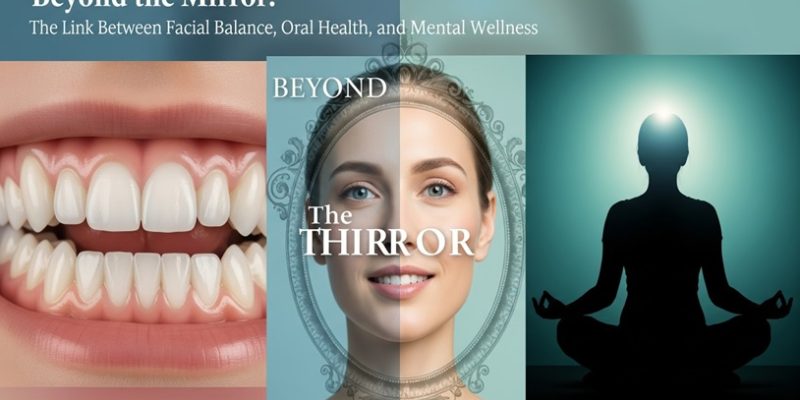
When people look in the mirror, they often focus on the surface features, symmetry, and smile. But behind every reflection lies a deeper connection between physical harmony and emotional well-being. The way our face appears, how we smile, and even how we breathe all influence how we feel about ourselves.
Modern healthcare now recognizes that self-image is multidimensional. It’s not just about appearance, but also about comfort, confidence, and mental clarity. The intersection of facial surgery, dental aesthetics, and psychological support reveals how interconnected our sense of self truly is—and how addressing one area can help heal another.
Facial Balance and the Psychology of Confidence
Facial symmetry plays a subtle but powerful role in how we perceive beauty and self-assurance. Even small differences—such as protruding ears or uneven contours—can affect confidence, especially during childhood and adolescence. Over time, these insecurities may deepen, influencing social comfort and emotional well-being.
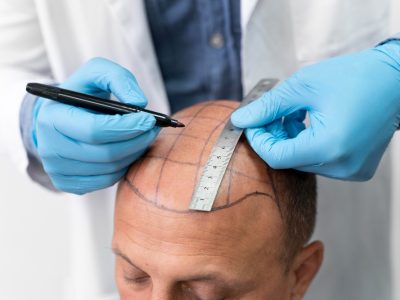
At North Texas Facial Plastic Surgery, procedures like otoplasty, or cosmetic ear surgery, allow patients to achieve a more balanced appearance. For those seeking to restore confidence with cosmetic ear surgery in Plano, these treatments are more than aesthetic adjustments—they’re opportunities to feel at ease in one’s own skin.
Expert facial plastic surgery goes beyond technical precision; it integrates empathy and psychological awareness. Surgeons often collaborate with patients to understand the emotional motivations behind their goals, ensuring that transformation supports both appearance and inner peace.
The Smile’s Hidden Role in Self-Perception
Smiles are among the most expressive aspects of the face, capable of transforming how we’re perceived and how we feel about ourselves. Yet when dental concerns—such as uneven bites, missing teeth, or discomfort—limit one’s ability to smile freely, confidence naturally suffers.
Clinics like Pine Desert Dental, known for restorative dentistry and oral surgery, help patients rebuild the foundation of both function and beauty. Whether through dental implants, reconstruction, or corrective procedures performed by an oral surgeon, these interventions do more than restore teeth—they restore the act of smiling without hesitation.
Oral health also connects directly to physical comfort. Issues such as jaw misalignment or chronic dental pain can trigger tension headaches, poor posture, and even sleep disturbances, which in turn affect mood and self-esteem. By addressing these foundational problems, dental care becomes an integral part of emotional and physical balance.
Emotional Healing: Therapy and Self-Esteem Counseling
Even as physical changes unfold, the emotional journey continues. Adjusting to a new appearance—whether after surgery or dental restoration—can evoke complex emotions, from relief to uncertainty. Mental health professionals help individuals integrate these shifts into their identity with understanding and confidence.
At Alliance Psychology, a mental health and psychotherapy clinic, therapists provide self-esteem counseling and ongoing therapy for those navigating body image changes, anxiety, or life transitions. They understand that true healing includes emotional processing—acknowledging both the excitement and vulnerability that accompany transformation.
Psychological care provides the foundation for lasting confidence. By exploring one’s feelings around self-perception and appearance, patients build resilience and learn to view beauty through a broader lens—one rooted in authenticity rather than perfection.
Interconnected Healing: When Disciplines Work Together
Holistic confidence emerges when physical and emotional care align. A patient who undergoes ear surgery or dental restoration might also experience emotional breakthroughs once they can finally smile or show their face without self-consciousness. Likewise, those working with a therapist often discover renewed motivation to care for their physical well-being.
This is where collaboration among facial plastic surgeons, dentists, and therapists becomes essential. When a facial surgeon consults with a dental team to ensure facial harmony, or a therapist helps a patient navigate expectations before and after cosmetic procedures, care becomes truly comprehensive.
Every professional plays a role in helping patients rediscover balance—structural, emotional, and psychological. These connections demonstrate that beauty is not an isolated pursuit, but a reflection of health and inner peace working together.
The Subtle Language of the Face
Our faces communicate before we even speak. A relaxed jaw, open eyes, and confident smile all project a sense of ease. But when tension builds—whether from stress, pain, or self-consciousness—the face can reveal emotional strain that words cannot hide.
Procedures like otoplasty, dental realignment, or even corrective oral surgery can help release physical tension. Meanwhile, therapy helps uncover the emotional patterns behind it—such as fear of judgment or discomfort with change. By addressing both the structure and emotion beneath expression, individuals learn to inhabit their faces and bodies with renewed authenticity.
Even small changes—a straighter smile, balanced ears, or improved posture—can open the door to deeper healing. They remind us that confidence is not static; it grows each time we align how we look with how we feel inside.
The Role of Self-Perception in Everyday Life
When people feel confident in their appearance, their body language shifts: they speak more openly, maintain eye contact, and smile more often. This behavioral feedback loop can improve relationships, job performance, and overall happiness.
But self-perception isn’t built on physical changes alone—it’s maintained through continued emotional and mental care. Routine therapy sessions, journaling, or mindfulness practices can reinforce inner confidence, while ongoing dental and medical checkups help maintain external harmony.
Together, these practices create a self-sustaining cycle: care leads to confidence, which fuels more self-care. Over time, patients discover that healing doesn’t end with a surgery or a procedure—it’s an evolving practice of acceptance and self-respect.
Beauty as Balance, Not Perfection
In the modern world, beauty is often portrayed as flawlessness, yet true beauty lies in the balance between features, emotions, and overall wellness. When facial plastic surgery, dental care, and mental health support intertwine, they remind us that confidence is not a fixed ideal but a lived experience.
Patients who approach transformation holistically often report not only physical satisfaction but emotional lightness—a freedom to be seen as they are. Through collaboration among skilled surgeons, dedicated dental professionals, and compassionate therapists, beauty becomes an expression of wholeness rather than conformity.
Conclusion: Healing That Reflects the Whole Self
Looking beyond the mirror reveals what true confidence is made of—structure, emotion, and care. It’s in the balance between physical alignment and emotional acceptance, between professional guidance and personal growth.
When surgeons restore facial harmony, dentists rebuild smiles, and therapists nurture inner peace, patients don’t just look different—they feel transformed. The result is not a new version of self, but a truer one, grounded in comfort, connection, and self-understanding.
Because in the end, healing is not only about how we appear—it’s about how we feel when we see ourselves clearly, inside and out.