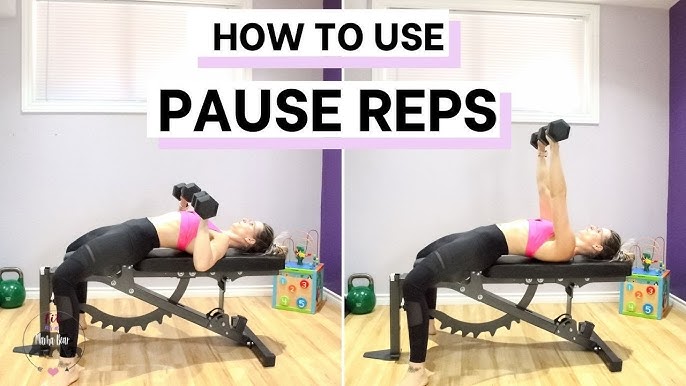
 By Kai Amy
Adding weight is only one way to make an exercise more demanding. A well-placed pause can expose whether a member truly controls the movement or simply relies on momentum to pass through the hardest position. This is why paused repetitions appear in serious strength programmes even when the main goal is not competitive lifting.
A capable personal fitness trainer Singapore can use pauses to improve position, breathing and consistency without changing the exercise completely. The method looks simple, but its value depends on where the pause occurs, how long it lasts and whether the member can maintain useful tension instead of relaxing into the joint.
A Pause Removes Momentum
Many exercises have a point where people naturally rush. They may bounce out of the bottom of a squat, let a machine stack touch down between repetitions or swing through the beginning of a row. Speed can hide a weak position because momentum carries the load through it.
A pause removes that assistance. The member must stop deliberately, remain stable and create force again. If posture changes immediately, the trainer has found a range that needs a different load, more practice or a more suitable variation.
The objective is not to make every repetition painfully slow. It is to make one important position measurable.
Pause Placement Changes the Training Effect
A pause at the bottom of a squat challenges control and the ability to produce force from a stationary position. A pause near the top of a row can improve awareness of the finished pulling position. A pause just above the floor in a deadlift variation may strengthen the ability to maintain bracing before the bar passes the knee.
The trainer should therefore choose the location according to the problem being addressed. Copying a two-second pause from another programme has little value if that position is unrelated to the member’s technique.
Useful pause locations include:
- the bottom of a squat or split squat;
- the chest during a controlled press;
- the contracted position of a row;
- the lowest controlled point of a push-up;
- the top of a bridge or hip thrust;
- a mid-range point where technique normally changes.
Not every position is appropriate for every body. Comfort and control take priority.
The Member Must Stay Active During the Pause
Stopping is not the same as relaxing. If a member sinks into the bottom of a squat and loses foot pressure or trunk tension, the pause may reinforce the wrong position.
A trainer watches whether the member remains connected to the movement. The feet stay stable, the grip remains secure, breathing is managed and the relevant muscles continue to support the load.
This is particularly important in machine exercises. Allowing the stack to rest fully may remove tension and change the purpose of the pause. In other cases, a complete reset may be intentional. The trainer needs to explain which version is required.
Paused Reps Can Improve Technique Without Adding More Exercises
When a movement needs improvement, trainers sometimes introduce several corrective drills. That can make the session complicated and reduce time available for the main programme.
A pause lets the member practise the original exercise with a clearer technical demand. Instead of adding three new movements for squat control, the trainer may reduce the load and add a brief pause at the point where balance is lost.
This keeps the programme recognisable. The member still develops the main pattern while addressing the specific limitation.
Load Usually Needs to Be Adjusted
A paused repetition is often harder than a normal repetition at the same resistance. The member cannot rely on rebound or uninterrupted rhythm, and the time under tension increases.
Forcing the usual working load can cause the exact technical breakdown the pause was meant to correct. A trainer may reduce resistance, repetitions or total sets when introducing the method.
The adjusted set should be recorded separately. Six paused squats are not directly comparable with six normal squats, even when the load is identical.
Breathing Becomes More Deliberate
A pause extends the time a member must maintain position. On a heavy repetition, holding the breath for too long may create unnecessary strain. On a lighter movement, losing the brace during the pause can make the next phase unstable.
The trainer can teach a simple strategy that matches the load. It may involve preparing before the repetition, maintaining pressure through a short pause and resetting at the top. For longer holds or lighter exercises, controlled breathing may be possible throughout.
People with cardiovascular or blood-pressure concerns should obtain appropriate medical guidance before using demanding breath-holding or heavy paused lifting.
Pauses Can Build Confidence in Difficult Ranges
Some members rush through a range because they do not trust it. A controlled pause with lighter resistance can help them experience the position without panic.
For example, a supported split squat can be paused at a comfortable depth. The member learns that they can remain balanced, maintain foot pressure and return smoothly. As confidence improves, support, load or range may be progressed one variable at a time.
This is different from forcing a deeper position. The pause must remain within a range the member can control without pain.
Paused Reps Fit Both Strength and Muscle-Building Work
In strength training, pauses can improve starting strength and technical consistency. In muscle-building work, they can reduce momentum and make a moderate load more demanding.
The context matters. A heavy paused compound lift creates a different recovery demand from a light paused lateral raise. Trainers should account for this when planning weekly volume.
Paused work can also increase soreness when it introduces a new range or longer eccentric control. The first exposure should therefore be modest.
They Are Not Needed in Every Set
Once the member demonstrates better control, normal repetitions may return. A programme might use pauses only during warm-up sets, on the first repetition of each working set or within a dedicated technical block.
Keeping pauses indefinitely can reduce the opportunity to develop natural rhythm or power. The method should solve a problem, not become an automatic badge of advanced training.
A trainer should review whether the original movement improves when the pause is removed. That transfer is the real test.
A Practical Progression
A sensible paused-repetition progression may follow these stages:
- Learn the normal exercise with an appropriate range.
- Reduce the resistance and introduce a brief pause.
- Keep pause duration and technique consistent across sets.
- Progress repetitions or load without shortening the pause.
- Return to normal repetitions and assess whether control improved.
Only one variable should change at a time. Increasing load while lengthening the pause and expanding range makes it difficult to understand what caused the performance change.
How Pauses Support Independent Training
Members can use paused warm-up sets as a self-check. If a familiar position feels unstable, they may need more preparation or a lower working load.
The training plan should specify the pause location and purpose. “Pause for two seconds” is incomplete if the member does not know where to stop or what alignment to maintain.
When working with True Fitness Singapore, members can ask their trainer to demonstrate both the paused and normal version. This creates a clear reference for independent sessions.
Paused repetitions are valuable because they slow down the decision-making point of an exercise. They reveal position, remove borrowed momentum and give the member time to demonstrate real control. Used selectively, they can make ordinary movements more precise without making the programme unnecessarily complicated.
Frequently Asked Questions
How long should a paused repetition be held?
Many training pauses are brief, but there is no universal duration. The pause should be long enough to remove momentum and demonstrate control without turning the repetition into an unrelated isometric hold.
Should I use the same weight for paused and normal repetitions?
Usually not when the pause is new. Reduce the load enough to preserve range, breathing and position. Establish paused work as a separate training reference.
Are paused squats safe for beginners?
They can be when the range, resistance and support are appropriate. Beginners may use a box, rail or goblet variation while learning the position.
Can paused reps help me break a strength plateau?
They may address a weak position or improve technique, but plateaus can also involve volume, recovery or programme design. The pause should target an identified limitation.
Do paused repetitions build more muscle?
They can increase time under tension and reduce momentum, but they are not automatically superior. Muscle development still depends on sufficient weekly work, progression, nutrition and recovery.