
 By Kai Amy
Collagen has become a familiar ingredient across beauty and wellness products, but formulators still need to consider source, purity, consistency and processing before choosing a material. For brands developing nutraceuticals pure marine collagen, the quality of the ingredient can influence everything from finished-product texture to consumer confidence.
Source Matters To The Finished Ingredient
Marine collagen is typically derived from fish-based raw materials, which makes sourcing an important part of the specification. Manufacturers need to understand where the material comes from, how it is handled and how consistently the source can be maintained.
This matters for both quality and supply continuity. If raw material characteristics vary significantly, the resulting collagen may behave differently during processing. A nutraceutical brand needs confidence that the ingredient used in one production run will perform similarly in the next.
Traceability can also be important for customers and regulatory documentation. Brands increasingly want a clearer story behind the ingredients they use, especially where sustainability or responsible use of marine resources forms part of the product positioning.
A strong ingredient specification therefore begins long before the collagen reaches the formulation stage.
Purity And Consistency Affect Product Development
A nutraceutical ingredient needs to work reliably in manufacturing. Inconsistent colour, odour, solubility or composition can create difficulties when products are being blended, flavoured or packaged.
This becomes especially noticeable in powders and drinkable formats, where the consumer directly experiences texture and taste. An ingredient that introduces an unwanted odour or does not disperse properly can weaken the finished product even if its nutritional specification appears suitable.
Product developers should therefore assess both analytical information and practical formulation behaviour. Samples and pilot batches can help confirm whether the collagen fits the intended application before committing to larger volumes.
Consistency also makes scaling easier. Once a formula has been approved, manufacturers want to avoid constant adjustment because each new batch behaves differently.
Processing Can Influence Usability
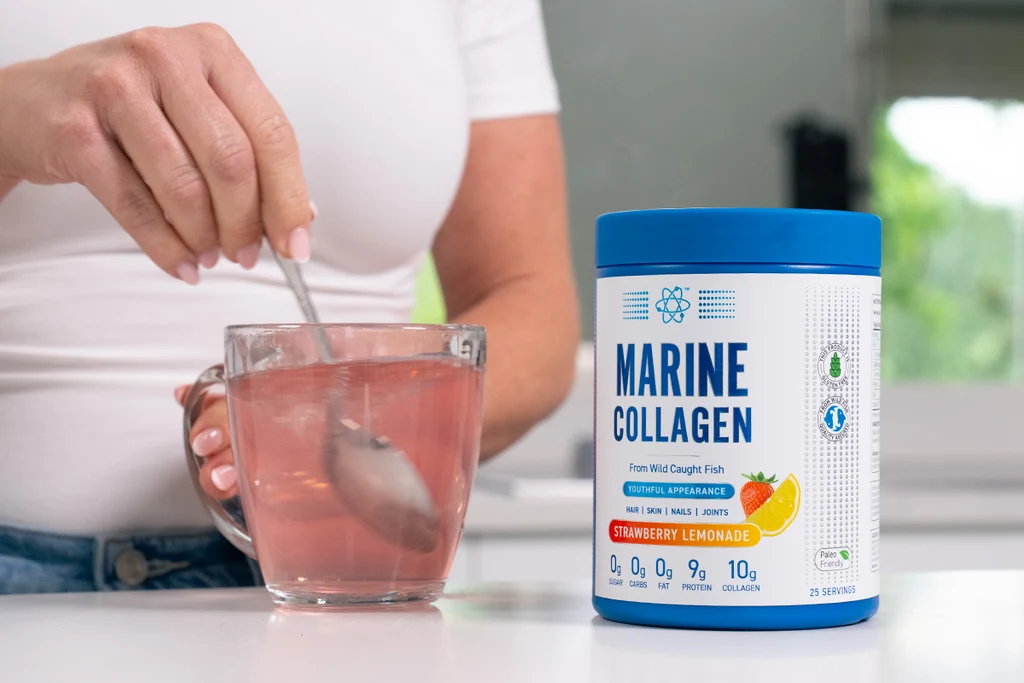
Collagen ingredients may be processed into forms designed to work more easily in nutraceutical applications. Molecular size, solubility and format can influence how manufacturers incorporate the ingredient into powders, drinks, sachets or other products.
The ideal specification depends on the finished product. A capsule has different processing requirements from a flavoured beverage or powdered supplement. Product developers should choose the ingredient around the format rather than assume one collagen material will perform equally well in every application.
Other ingredients also matter. Sweeteners, flavours, vitamins and minerals can change how a formulation behaves. Stability and sensory testing should therefore consider the complete product rather than collagen in isolation.
This is where close communication between ingredient supplier and formulation team can reduce development time.
Reliable Supply Matters Once A Product Launches
A successful consumer product needs enough ingredient supply to support repeat manufacturing. A formulation may perform perfectly in development but still create commercial problems if the raw material becomes difficult to obtain later.
Brands should understand lead times, available volumes and how the supplier manages quality between batches. If the product is expected to scale quickly, those questions become even more important.
Marine collagen can fit well within modern nutraceutical and nutricosmetic products, but the ingredient needs to deliver more than a strong marketing story. Source control, purity, formulation performance and dependable supply all contribute to whether the finished product can be manufactured consistently and supported over the long term.